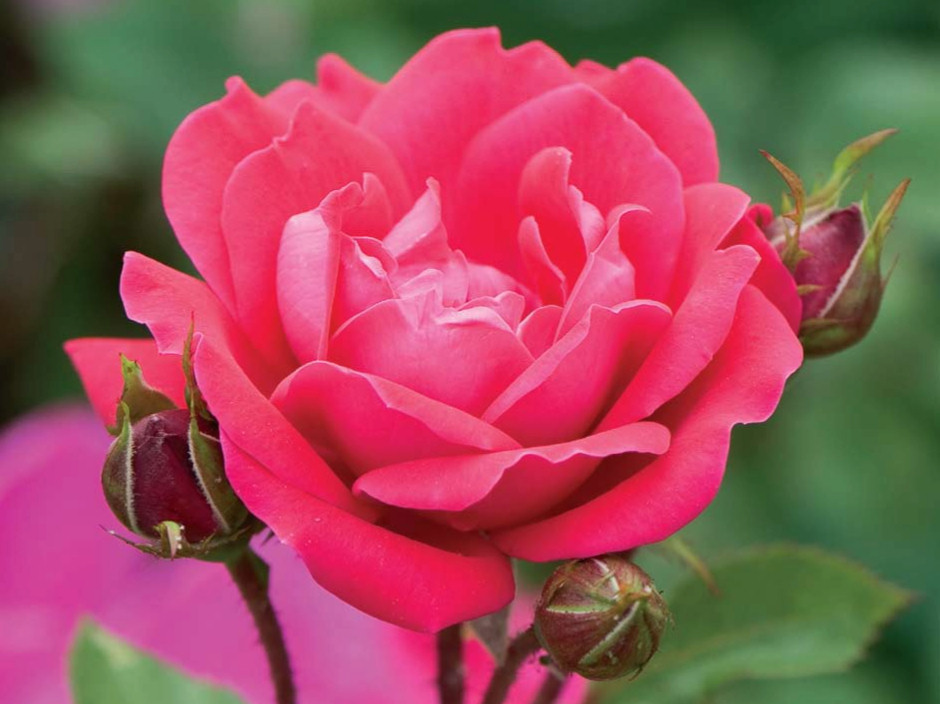
Double Knock Out® Rose (Rosa ‘Radtko’) in this convenient 19CM size brings the same nonstop color and toughness in a more compact package, perfect for beds, borders, and containers. Cherry-red double flowers appear in waves from spring until frost over glossy green foliage. Bred for strong disease resistance and self-cleaning blooms, it delivers long-lasting color with minimal care in full sun.
Care & Growing Guide
Flowering plants are purchased first for visual impact, but long-term satisfaction depends on matching bloom type, sun exposure, moisture needs, and mature size to the site. This category can include annuals, perennials, shrubs, trees, and vines, so the most useful product-page guidance is not just flower color but bloom season, rebloom potential, pollinator value, and care intensity.
Most heavy bloomers need full sun, especially if the goal is peak flower count and sturdy stems. Partial shade selections can still flower well, but bloom timing and density may be reduced if light is too low.
Flowering plants generally perform best in well-drained soil with enough organic matter to hold steady moisture. Poor drainage is one of the biggest causes of weak roots, fewer blooms, and disease pressure.
Blooming plants often respond well to moderate fertility, but too much nitrogen can drive leaves at the expense of flowers.
The right flowering plant for a patio container is often very different from the right one for a foundation bed, hedge line, or sunny perennial border.
Product pages should help buyers understand whether the plant peaks in spring, early summer, midsummer, late summer, or over an extended period. Layering categories by season creates more satisfying gardens than buying only by flower color.
Insufficient light, excess nitrogen, immature plants, improper pruning, and seasonal timing are the most common causes.
Not always more, but they often need better-timed feeding and enough phosphorus and potassium to support buds and flowering.
No. Some benefit strongly from it, while others rebloom on their own or are better left for seed heads, hips, or wildlife value.