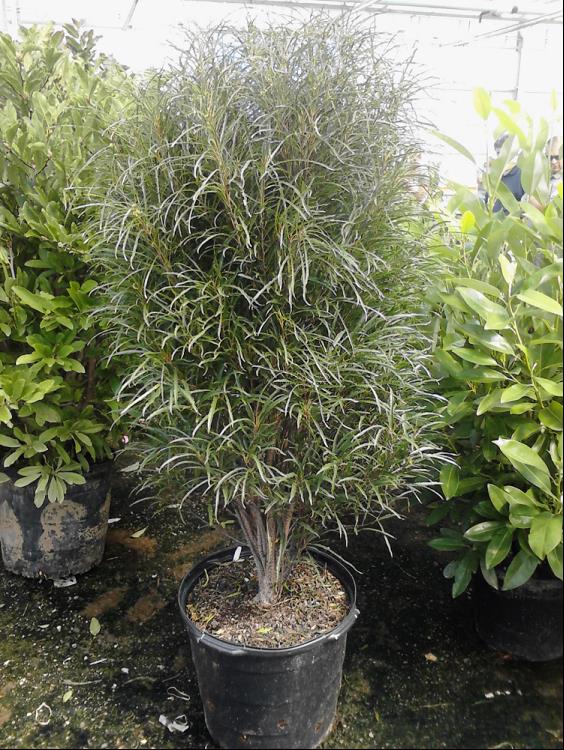
Fine Line® Buckthorn combines the airy texture of a fern with the clean, narrow habit of a columnar shrub. Its finely cut foliage and slim, upright form make it perfect for tight spaces, modern landscapes, and narrow privacy screens where a full-sized hedge won’t fit. Cold hardy, drought tolerant once established, and generally ignored by deer, it delivers strong architectural impact with very little maintenance.
Care & Growing Guide
Deciduous plants are trees, shrubs, or vines that lose their leaves seasonally, usually in autumn, before resting through winter and resuming growth in spring. Buyers sometimes worry about leaf drop, but it is often exactly what makes these plants valuable: spring freshness, summer shade, fall color, berries, bark, and seasonal change.
Light needs depend on the species. Many deciduous flowering shrubs and fruiting plants want full sun, while woodland-edge shrubs and some understory trees tolerate partial shade.
Newly planted deciduous plants need regular deep watering during establishment. Once mature, many become more resilient, but drought during active growth can still reduce flowering, fruit set, and fall color quality.
Most prefer well-drained soil, though some species tolerate wetter or drier conditions. Product-page information should always reflect the plant rather than the broad category.
Timing matters. Many spring bloomers are pruned after flowering, while many summer bloomers and shade trees are shaped during dormancy or late winter.
Deciduous trees, deciduous shrubs, flowering vines, fruiting plants, and many broadleaf ornamental selections. Their shared trait is seasonal dormancy above ground, not a single care recipe, so site matching matters.
Leaf drop is not a flaw. It can be an advantage where winter light, spring bloom, pollinator value, or dramatic fall interest matter more than constant screening. In hot climates, a deciduous canopy can also help with summer cooling while allowing more winter sun.
No. Seasonal leaf drop is normal for deciduous plants and part of their annual cycle.
Not necessarily. They simply offer a different kind of seasonal rhythm and often a different pruning schedule.